Essential Insights on Forklift Licenses and Certifications
At Forklift Training North West, we prioritise your safety and compliance in forklift operations. This section addresses the frequently asked questions surrounding forklift operation and courses. Stay informed about licensing and certification requirements as they apply to the industry and ensure compliance with legal standards.
Understanding the Importance of Certification
Why You Need a Forklift Certificate
Obtaining a forklift license is crucial for ensuring that operators are trained to maintain safety standards and operate equipment effectively. Compliance with regulations not only protects the operator but also enhances workplace safety, reducing the likelihood of accidents and legal issues.

Types of Forklift Certifications
Selecting the Right Certification
Various types of forklift certifications exist, each tailored to different types of machinery and operational environments. It is essential to choose the right training course that aligns with your operational needs and enables you to comply with industry regulations. At FLT north west we train primarily Counterbalance and Reach
Benefits of Forklift Training
Enhancing Workplace Safety
Investing in proper forklift training not only prepares your employees to operate machinery competently but also significantly reduces the risk of accidents, injuries, and potential damage to goods and property. Adopting a culture of safety within your organisation encourages a proactive approach to compliance.
Legal Requirements for Forklift Operation
Stay Compliant with the Law
In the UK, the law requires all forklift operators to hold a valid certification. Regular updates and renewals of certification are also necessary to ensure compliance with current regulations, thereby safeguarding your business from legal repercussions.
Understanding Licenses and Certifications for Forklift Operation
At Forklift Training North West, we recognise the importance of clarity when it comes to understanding the qualifications necessary for forklift operations. In this section, we will explore the key differences between forklift licenses and certifications, providing essential insights that will help you navigate your journey towards becoming a certified forklift operator.
What is a Forklift License?
It is a common misconception in the uk that forklift licenses exist. in the uk there is only forklift certification, this is due to the fact you are not legally required to have any training to be able to drive an FLT. Even though you legally are not required to have training a workplace would need proof of certification to allow you to work. workplaces often ask for FLT licenses when hiring this means they would like to see an FLT certificate.
How Long is an FLT Course
Forklift training courses that adhere to RTITB standards typically vary in length depending on the type of forklift and the level of training required. Generally, novice courses can last between three to five days, encompassing both theoretical instruction and practical assessments. For experienced operators seeking refresher training, courses may be shorter, often completed in one or two days. Ensuring compliance with RTITB standards not only enhances safety on the worksite but also equips operators with essential skills and knowledge to operate forklifts efficiently and responsibly.
What is the Course Like?
FLT (Forklift Truck) training is an essential component for anyone looking to operate forklifts safely and efficiently in various working environments. The training experience typically involves a combination of theoretical knowledge and practical skills, ensuring that operators understand the principles of forklift operation, safety regulations, and the importance of risk assessment. Participants learn about different types of forklifts, load handling techniques, and pre-use inspections. Furthermore, hands-on practice under the guidance of experienced instructors allows trainees to build confidence and competence before they undertake any real-life tasks. Completing FLT training not only enhances workplace safety but also equips individuals with valuable skills sought after in the logistics and warehousing sectors.
Choosing the Right Path for Your Forklift Career
At Forklift Training North West, we encourage all trainees to carefully consider their career aspirations when deciding between obtaining a license or pursuing additional certifications. Understanding the operational requirements of potential employers and the various types of forklifts they utilise can provide a clearer path towards achieving your career goals in the logistics and warehousing sector.
Forklift Safety: Key Training Requirements
At Forklift Training North West, we understand the critical importance of safety in the operation of forklifts. This section is dedicated to outlining the essential training requirements and safety protocols necessary for the safe and effective use of forklifts in any workplace environment. Proper training not only ensures compliance with legal regulations but also significantly reduces the risk of accidents, protecting both operators and fellow workers.
Training Mandates Overview
Essential Training for Operators
To operate a forklift legally and safely, individuals must undergo comprehensive training that covers theoretical knowledge as well as practical skills. This training is vital for understanding the various types of forklifts, their functions, and the unique challenges posed by the environments in which they operate. Our training programmes meet the legal standards set by UK regulations and industry best practices.
Safety Protocols in Forklift Operation
Prioritising Safety at Work
Safety protocols are a crucial component of forklift operation training. Operators must be aware of their surroundings, the layout of their work environment, and the specific safety measures in place, such as pedestrian zones and appropriate signage. Regular safety audits and refresher courses also help reinforce a culture of safety, ensuring that operators remain vigilant and informed about the latest safety practices.
The Importance of Thorough Training
Investing in Operator Competence
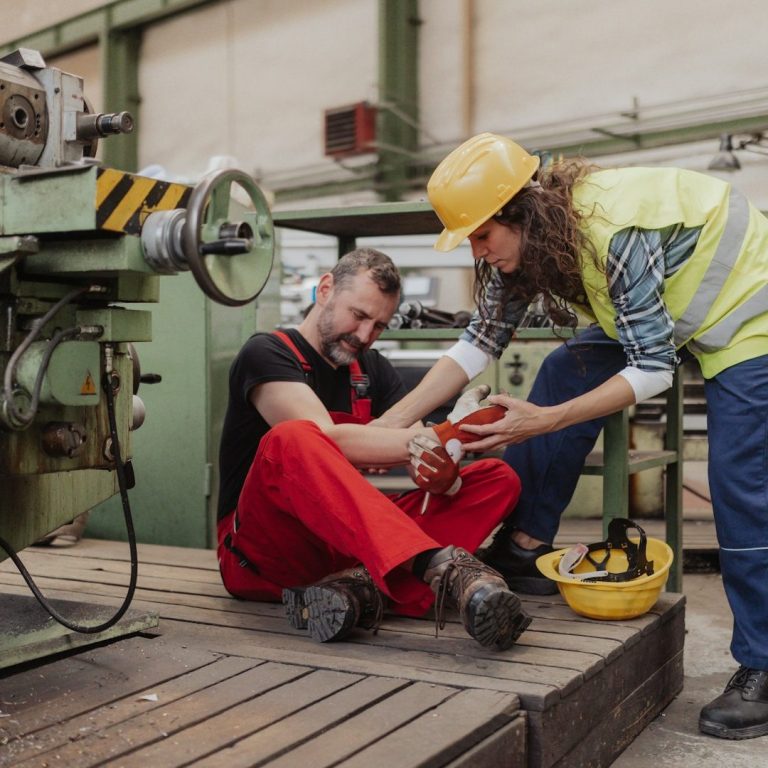
Thorough training is not just a regulatory requirement; it is an investment in the safety and efficiency of your operations. Well-trained operators are less likely to make mistakes that could lead to accidents or equipment damage. Training programmes at Forklift Training North West focus not only on the mechanical aspects of forklift operation but also on developing critical thinking skills that enable operators to respond effectively to unexpected situations.
Choose Forklift Training North West
Your Partner in Safety and Compliance
Choosing Forklift Training North West for your forklift training needs means choosing a partner committed to safety and compliance. Our experienced trainers provide comprehensive instruction tailored to the specific needs of your business, ensuring that all operators are equipped with the skills and knowledge necessary to operate forklifts safely. We aim to foster a safe working environment, significantly reducing the risk of workplace accidents.