Stay Compliant: Understanding Forklift Regulations
At Forklift Training North West, we recognise the critical importance of adhering to the latest forklift regulations and health and safety standards in the UK. Compliance with these regulations not only safeguards operators and the workforce but also enhances the overall efficiency of your operations. It is essential for businesses to stay informed on these obligations to prevent accidents and liabilities.
Health and Safety Guidelines
The health and safety standards pertaining to forklift operations are set forth by the Health and Safety Executive (HSE). These guidelines are continually updated to reflect best practices in the industry. At Forklift Training North West, we ensure that our training programmes provide comprehensive insights into these regulations, preparing operators to meet the necessary compliance requirements.
Importance of Regular Training
Regular training and certification are vital components of forklift operation. Employers must ensure that all operators receive up-to-date training in accordance with the latest regulations. This not only promotes a culture of safety but also helps to avoid potential fines and legal repercussions for non-compliance. Our expert trainers at Forklift Training North West are dedicated to providing the highest standard of training to meet regulatory demands.
Staying Current with Changes
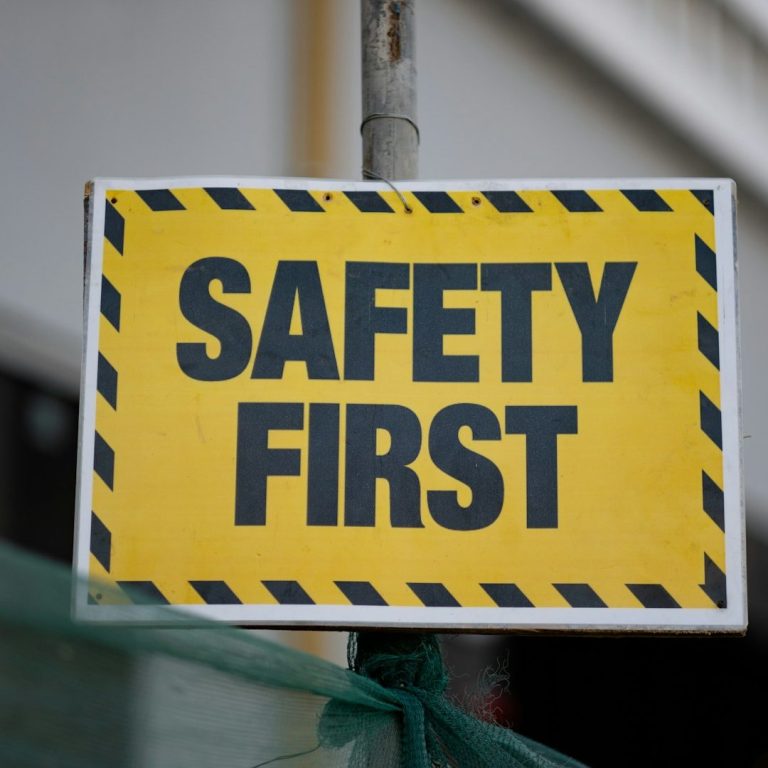
In the fast-evolving landscape of workplace safety regulations, businesses must remain vigilant in staying current with any changes to forklift laws. Our section on updates will feature the latest amendments and new regulations introduced by the HSE, allowing operators and managers to adapt swiftly and efficiently to maintain compliance.
Taking Steps Towards Safety
Implementing these regulations into daily operations is vital. It is not only about complying with the law but fostering a safe environment for all employees. Forklift Training North West is here to support your business in achieving this goal through tailored training sessions and consultation services, ensuring that safety is always the priority.
Mastering Forklift Operations: Essential Tips for Safety and Efficiency
At Forklift Training North West, we are committed to ensuring that both new and experienced forklift operators can navigate their responsibilities safely and effectively. This section provides valuable insights that cover a range of operational advice.
Fundamentals for Beginners: Understanding Your Forklift
As a new operator, familiarising yourself with the forklift controls and safety features is crucial. Take the time to study the operator’s manual, understand load limits, and practice operating in a safe environment before heading into the field. A comprehensive training course will provide you with the knowledge needed to avoid common pitfalls such as overloading or improper load handling.
Key Safety Practices: Essential Do's and Don’ts
Safety must always be your number one priority. Always wear the appropriate personal protective equipment (PPE) and ensure that your workspace is clear of hazards. Don’t operate a forklift if you are feeling unwell, and never allow any untrained individuals to operate the machinery. Regular safety checks are vital to ensure everything is functioning correctly.
Load Management: Balance and Positioning Tips
Understanding how to properly manage your loads is fundamental to safe operation. Always ensure the load is balanced and positioned correctly on the forks – ideally, it should be tilted slightly backwards. When moving, maintain a low profile and travel at a safe speed, watching for obstacles and pedestrians. Remember, using your horn may alert others of your presence.
Refresher Tips for Experienced Operators: Continuous Improvement
For seasoned operators, it’s essential to stay informed about updates in safety regulations and advancements in forklift technology. Regularly participating in refresher courses can help sharpen your skills, ensuring that you remain effective in your role. Moreover, consider mentoring newer operators; it enhances your own understanding and fosters a safer working environment.
Avoiding Common Pitfalls in Forklift Operation
Operating a forklift is a skilled task that requires not only training but also continuous awareness of safety protocols. At Forklift Training North West, located in the heart of Burnley, we focus on enhancing safety by addressing common mistakes that both novice and seasoned operators make. Understanding these pitfalls is essential not just for the operators’ safety but also for the well-being of everyone in the vicinity of forklift operations.
Improper Load Handling
One of the most frequent errors in forklift operation is improper load handling. Operators often underestimate the weight limits or fail to distribute loads evenly. This can lead to tipping or dropping loads, posing significant risks. It's imperative that operators assess the weight and dimensions of loads before operation, ensuring they adhere to the forklift's specifications.
Neglecting Surroundings
Many accidents occur because operators do not pay enough attention to their surroundings. Blind spots can hide pedestrians or obstacles, leading to collisions. Operators should continuously scan their environment, utilise mirrors effectively, and ensure that walkways are clear before moving.
Overreaching and Improper Fork Positioning
Reaching too far when operating a forklift or maintaining an incorrect fork position can significantly increase the risk of accidents. Operators should maintain the forks as low as possible when travelling, and ensure they are positioned correctly to provide maximum stability while lifting.
Inadequate Training and Certification
Whichever level of experience a forklift operator has, ongoing training is crucial. Many operators make the mistake of believing that once they have their certification, they no longer need to update their skills. At Forklift Training North West, we stress the importance of refresher courses and understanding the latest safety protocols to ensure safe operations.